1900 – 1950
Kurt Weill — Youkali's composer
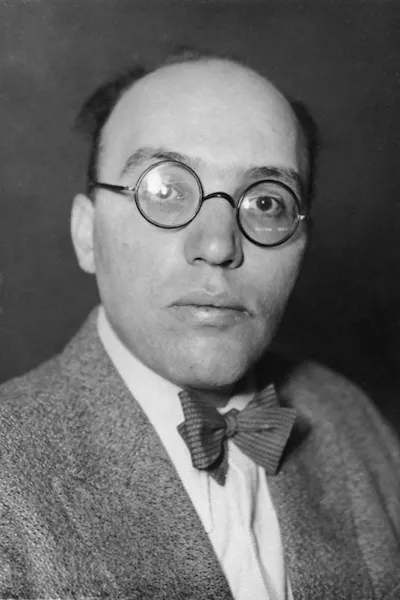
Youkali takes its name from a quiet, mournful tango written by the German-American composer Kurt Weill. Weill was born in Dessau, Germany, in 1900, the son of a synagogue cantor. He studied composition with Engelbert Humperdinck and Ferruccio Busoni, and by the age of twenty-two the Berlin Philharmonic had already premiered two of his works.
Berlin
Weill came of age at the end of the First World War, in a Europe that was both spiritually exhausted and remarkably creative. The carnage of the war had shattered the smug nineteenth-century illusion that Western societies had achieved civilisation under wise, benign leaders. When the smoke cleared, every art form underwent radical change — from old habits of charm and harmony to new visions of fear, satire and despair. Even old forms could not disguise the war’s legacy; the era produced compositions for brilliant young pianists returning home minus a hand.
Weill’s musical legacy is enormous, and almost all of it broke new ground. His most enduring works of this period were his Berlin cabaret and theatre collaborations with Bertolt Brecht — The Threepenny Opera and The Rise and Fall of the City of Mahagonny. “Mack the Knife” is from the first; the “Alabama Song”, made famous by Jim Morrison and The Doors, from the second. Mahagonny is a very different place from the serene island of Youkali — an Alabama city catering to every human depravity, where the only crime is not paying the bill.
Exile
When the Nazis took power in 1933, Brecht-and-Weill works were among the first to be banned and burned. Weill fled to Paris. There, in 1934, he wrote Youkali as incidental music for Jacques Deval’s play Marie Galante — first as an instrumental tango habanera, later given words by Roger Fernay.
America
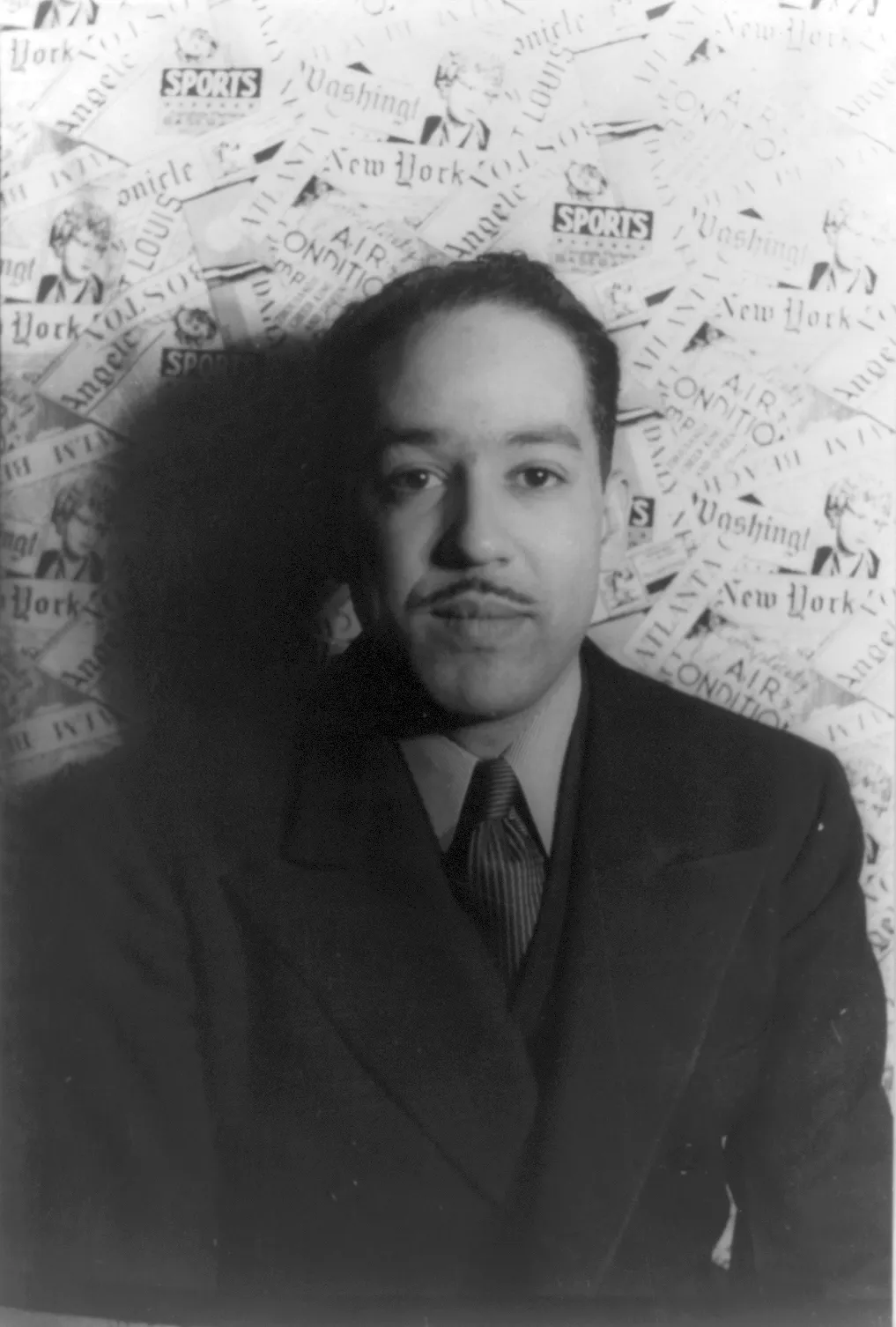
Weill fled on from Paris to New York. He quickly linked up with writers and lyricists like Ira Gershwin, Oscar Hammerstein, Maxwell Anderson, Elmer Rice, the humorist S. J. Perelman, and the literary giant of the Harlem Renaissance, Langston Hughes. Hughes’s “Lonely House”, set by Weill, is one of his most beautiful ballads.
Weill also adapted Lost in the Stars from Alan Paton’s novel of South African racial oppression, Cry, the Beloved Country. Though adept at light romantic comedy, with Broadway hits to his credit (Knickerbocker Holiday, with its memorable “September Song”, and One Touch of Venus, with its standard “Speak Low”), Weill instinctively sought projects with serious political and human themes.
Beyond his brilliance, his contemporaries remembered Weill as warm, generous and fun-loving. His favourite haunts in his adopted New York were Manhattan’s drugstore soda fountains. He died of a heart attack in one of them in 1950. At the time he was working on a musical version of Huckleberry Finn with Maxwell Anderson.
A note on listening
Weill’s music tends to be an instant and intimate pleasure — laughter, sweeping romance, the electric joy of being alive — rather than a difficult, highbrow experience. A few starting points for listeners coming to it new: Teresa Stratas’s albums The Unknown Kurt Weill and Stratas Sings Weill; the compilation Lost in the Stars (Sting, Marianne Faithfull, Lou Reed and others); and Ute Lemper’s Weill recordings.